
IPhone 17 Or Galaxy S26: Which Smartphone Should You Actually Buy in 2026?

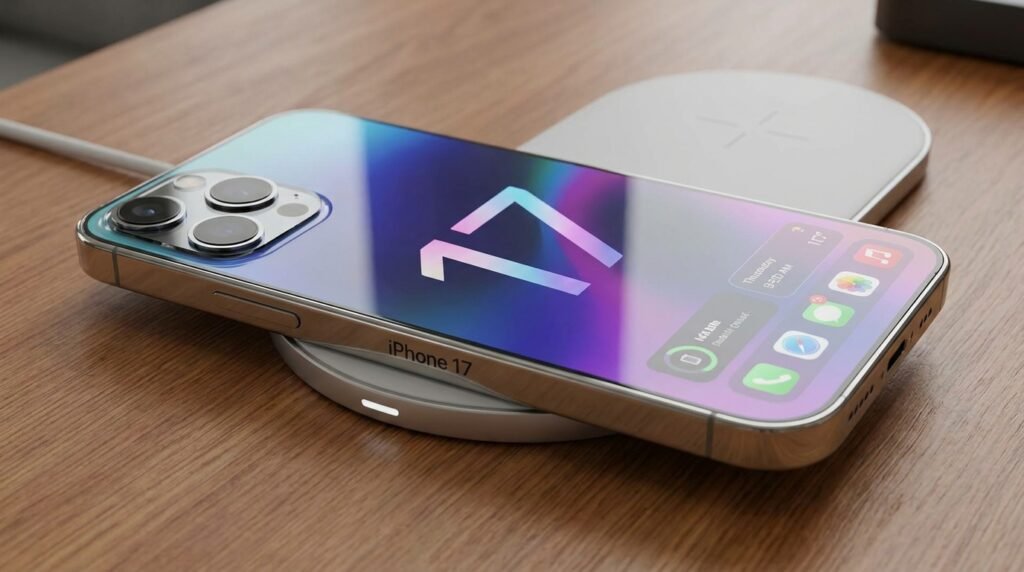
IPhone 17 or Galaxy S26: Which Smartphone Should You Actually Buy in 2026? is a comparison of two flagship ecosystems, not just two phones. In technical terms, the decision comes down to platform lock-in, hardware tradeoffs, software support horizon, camera processing style, and how each brand handles durability, repairability, and resale value. In plain English: the right choice depends on whether you want the most consistent, long-term iPhone experience or the more flexible, feature-dense Galaxy approach.
This question matters more in 2026 than it did a few years ago because flagship phones are converging on raw performance while diverging in product philosophy. Apple tends to optimize for integration, long update support, and predictable behavior. Samsung usually pushes harder on display tech, multitasking, customization, and charging convenience. Those differences affect daily use far more than benchmark scores do.
There is one caveat: neither device should be judged as a single hardware object. The phone, the operating system, the accessory ecosystem, the trade-in market, and even regional carrier support all shape the buying decision. That is why a serious comparison has to go beyond specs and ask a more practical question: which platform will cost you less friction over the next three to five years?
Key Takeaways
- The best choice is usually the one that matches your ecosystem, because switching between iOS and Android carries a real cost in apps, accessories, cloud services, and habits.
- Apple’s advantage is consistency: strong chip efficiency, long software support, and predictable resale value make the iPhone the safer buy for most people.
- Samsung’s advantage is capability: the Galaxy line typically offers more display flexibility, faster charging, deeper customization, and stronger multitasking features.
- Camera quality at the flagship level is now a processing decision as much as a sensor decision, so the “better” phone depends on whether you prefer natural tones or more aggressive sharpening and zoom.
- In 2026, the right purchase is less about chasing the newest model and more about buying the device whose software behavior, repair ecosystem, and total ownership cost fit your usage pattern.
IPhone 17 Or Galaxy S26: Which Smartphone Should You Actually Buy in 2026?
The Real Decision is Platform, Not Product
At the flagship tier, the gap in pure hardware performance has narrowed enough that the operating system and ecosystem often decide the purchase. iPhone buyers are choosing iOS, FaceTime, iMessage, AirDrop, Apple Watch integration, and Apple’s long-standing emphasis on coherence. Galaxy buyers are choosing Android, Samsung’s One UI, broader customization, DeX-style desktop behavior, and tighter openness with third-party services.
That distinction matters because a premium phone is rarely used in isolation. If you already own a Mac, iPad, or Apple Watch, the iPhone becomes the lower-friction device. If your workflow depends on Google services, Windows, Galaxy Buds, or wearable flexibility, Samsung usually fits better. The mistake many buyers make is trying to compare the phones as if they were interchangeable. They are not.
What the Processors and Thermals Usually Mean in Practice
Apple’s A-series chips have historically led in single-core efficiency and sustained smoothness, while Samsung’s top Galaxy models often rely on Snapdragon flagships tuned for broader Android workloads. In daily use, both are fast enough for demanding apps, video editing, gaming, and large photo libraries. The difference shows up in consistency: how warm the phone gets, how aggressively it manages background apps, and how well it holds performance under load.
Na prática, o que acontece é que users notice the thermal envelope more than benchmark charts. A phone that peaks higher on paper but throttles under long camera sessions or 4K video recording can feel worse than one with slightly lower scores and better sustained behavior. That is why long-form testing from reviewers like Consumer Reports’ electronics testing remains useful: it captures use patterns that spec sheets do not.
Why Software Support Changes the Ownership Equation
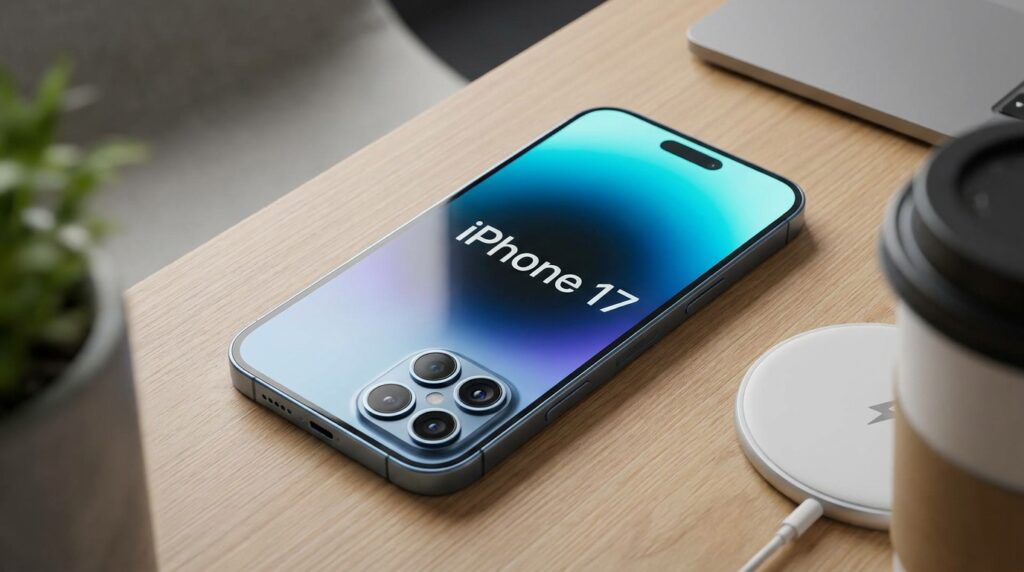
Support length is not a marketing footnote. It is one of the biggest determinants of total value. Apple has a strong track record for long iOS support and security updates, which extends the useful life of older iPhones and helps resale value. Samsung has also improved significantly, with recent flagship policy moving toward long update windows that make Galaxy devices more defensible as long-term purchases.
Still, the practical difference is that Apple’s update story has been more predictable for years, while Samsung’s advantage is closing fast. For buyers who keep phones for four to six years, that means the gap is no longer “one brand updates and the other does not.” The real question is which company’s software style you prefer when the device is three years old and still in daily use.
Display, Battery, and Charging: Where the Galaxy Usually Pulls Ahead
Samsung’s Display Advantage is Structural
Samsung has spent years refining OLED panels, adaptive refresh rates, brightness management, and anti-reflective treatment. In practical terms, Galaxy phones often feel better outdoors, more configurable for media consumption, and more comfortable for users who want aggressive motion smoothness. Apple’s displays are excellent, but Samsung usually treats the screen as a showcase feature rather than a component that merely meets expectations.
For readers who watch a lot of video, read outdoors, or spend hours in split-screen workflows, the display can become the most visible difference between the two ecosystems. A flagship phone’s screen is touched hundreds of times a day. That is why small improvements in reflectivity, peak brightness, and refresh-rate behavior matter more than they appear in a spec table.
Battery Life Depends on Efficiency, but Charging Habits Matter More
Battery longevity is often misread as a contest of mAh numbers. Real-world endurance is shaped by chipset efficiency, display tuning, background synchronization, and modem behavior. Apple usually performs well because its hardware and software are tightly integrated. Samsung can be excellent too, especially when its software profile is tuned for a specific battery pattern, but results can vary more by configuration and usage style.
Charging is where Samsung has typically been more aggressive. Faster wired charging and more flexible power management can be a genuine advantage for heavy travelers and power users. Apple remains more conservative. That is not a defect; it is a design choice. The tradeoff is that iPhone users often get a more controlled battery experience, while Galaxy users get faster recovery when they need it. Those are different kinds of convenience.
What to Check Before You Buy
- Peak brightness if you work outdoors or commute a lot.
- Charging speed if you regularly top up between meetings or flights.
- Battery health policy if you keep phones for several years.
- Thermal performance if you game, record video, or use navigation for long periods.
Camera Systems, Zoom, and Computational Photography
Image Processing Matters as Much as Hardware
Modern flagship cameras are not judged by megapixels alone. The sensor captures the raw data, but computational photography decides how that data becomes the final image. Apple typically favors more natural color, restrained HDR behavior, and consistent skin tones. Samsung often leans toward vivid color, more contrast, and stronger zoom flexibility. Neither approach is universally better.
This is where many buyers talk past each other. Someone who shoots family photos indoors may prefer Apple’s consistency. Someone who wants punchier social media images or more zoom range for concerts and travel may prefer Samsung. A camera system is only “best” if its output matches the way you actually shoot, edit, and share.
Zoom, Video, and the Specialist Edge
Galaxy flagships have often held the advantage in telephoto reach and zoom variety, especially for users who need more framing flexibility without moving physically closer. That matters in arenas, classrooms, events, and travel. Apple has narrowed the gap in recent generations, but Samsung’s camera suite traditionally gives power users more options.
For video, the iPhone remains the reference point for many creators because of reliable autofocus, strong color consistency, and polished capture-to-edit workflows. A creator who wants the least friction from recording to posting often gets better results with iPhone. A creator who wants more camera modes, stronger zoom tools, and more manual-style flexibility may find the Galaxy more practical.
The Trust Test: What Professionals Look For
Professional reviewers and imaging labs often emphasize repeatability, not just one perfect shot. That is the right standard. A flagship camera should produce dependable results across lighting conditions, not just impress once in ideal light. If you care about that kind of evidence, see the methodology used by organizations such as DxOMark and the broader camera-testing discussions in outlets like The Verge’s phone coverage.
The best smartphone camera is the one that gets the shot right when conditions are not perfect. That is where processing quality, autofocus stability, and color consistency matter more than headline specs.
Software, Ecosystem, and Long-Term Value
IOS and One UI Serve Different Kinds of Users
iOS is built around uniformity, tight app behavior, and a controlled experience. That makes it easier to predict, which many users value more than endless customization. One UI, by contrast, gives Galaxy owners deeper control over the home screen, default apps, multitasking layouts, file handling, and device automation. If you enjoy tuning your phone to your workflow, Samsung gives you more levers to pull.
There is a cost to that flexibility: more settings, more decisions, and occasionally more opportunities for inconsistency. For power users, that is a feature. For people who want a phone that stays out of the way, it can feel like unnecessary complexity. Neither philosophy is wrong. They solve different problems.
Resale Value and Total Cost of Ownership
Apple devices have traditionally held resale value better than most Android phones, and that matters in a practical buying decision. A higher trade-in value can reduce the effective cost of ownership substantially over a three-year cycle. Samsung has improved, but the secondary market still tends to reward iPhones more consistently.
That resale edge is one reason the iPhone often wins even when it is not the most feature-rich device on paper. The buyer may pay more upfront, but recover more later. This is one of those cases where the sticker price is incomplete. Total cost includes accessories, trade-in value, case ecosystem, and expected life span. Ignore those variables and you will misread the deal.
Authorities Worth Checking Before You Lock in a Decision
For broad purchase guidance, consumer-protection and lifecycle sources matter more than launch-day hype. The U.S. Federal Trade Commission offers useful material on warranties, refunds, and device-related consumer rights. Apple’s own support and service documentation clarifies repair pathways and update policies. Samsung’s support resources are equally important if you plan to keep the phone for years and care about service logistics.
Who Should Buy Each Phone in 2026
Buy the IPhone If You Value Predictability
The iPhone is the stronger choice for buyers who want a phone that feels stable, integrates cleanly with other Apple products, and retains value well over time. It is also the safer recommendation for people who do not want to think much about software customization. You set it up, it works, and it keeps working with minimal friction.
If you create video, already live inside Apple’s ecosystem, or prefer a more controlled interface, iPhone is the rational buy. It is not the most adventurous choice, but it is often the least regrettable one. For many people, that matters more than having the longest feature list.
Buy the Galaxy If You Want More Control
The Galaxy is the better fit for users who care about display quality, fast charging, deep customization, multitasking, and a phone that behaves more like a flexible computing device. If you use split-screen often, need stronger zoom options, or want to tailor the interface around work instead of accepting a fixed layout, Samsung offers more headroom.
It is also the better choice for users who want Android’s openness without sacrificing flagship polish. In practice, that means more freedom with files, launchers, default apps, and connectivity. The tradeoff is that you need to be comfortable making more decisions yourself.
My Recommendation, Without Hedging
If I had to choose for the average buyer in 2026, I would lean iPhone for most people and Galaxy for power users. That is not brand loyalty speaking; it is a judgment about risk. The iPhone gives you the cleaner long-term bet, stronger resale value, and more predictable experience. The Galaxy gives you more tools, more flexibility, and more reasons to stay engaged with the device.
The exception is the buyer who already lives in Samsung’s ecosystem or actively dislikes Apple’s constraints. For that person, the Galaxy is not a compromise. It is the correct answer. The best phone is the one that matches your operating style, not the one with the loudest launch event.
Próximos Passos Para Implementação
Before you buy, audit your actual usage for one week. Note how often you use the camera, whether you charge once or twice a day, what accessories you already own, and whether your work depends on iCloud, Google One, Microsoft 365, or a mixed stack. That audit will tell you more than any launch rumor or benchmark thread.
Then test the ecosystem, not just the handset. Open the keyboard, move files, pair a watch, check your car integration, and see how your favorite apps behave. That is the point where the iPhone 17 or Galaxy S26 decision becomes real. Specs win debates; workflows decide ownership. If the device disappears into your routine, you chose correctly.
In 2026, the smartest move is to buy the phone that minimizes future friction. For most buyers, that means iPhone. For users who want control, flexibility, and stronger hardware features in daily use, Galaxy remains the better platform. Pick based on how you work and live, not on which launch cycle sounded more impressive.
Perguntas Frequentes
Is the IPhone Still the Better Long-term Buy in 2026?
For most buyers, yes. Apple’s combination of software support, resale value, accessory ecosystem, and consistent performance still makes the iPhone the safer long-term purchase. That does not mean it is the most feature-rich phone. It means the ownership experience tends to age more predictably, which matters if you keep devices for four years or more.
Does the Galaxy S26 Offer Better Hardware Than the IPhone 17?
It may offer better hardware in specific areas like display flexibility, charging speed, and zoom options, but “better” depends on what you measure. Apple often wins on efficiency, integration, and video consistency. Samsung usually wins on customization and hardware variety. The right comparison is not raw superiority; it is which tradeoffs fit your daily habits.
Which Phone is Better for Photography and Video?
For photography, the answer depends on your style. Apple usually produces more natural results with strong consistency, while Samsung often delivers more punch, stronger zoom, and broader feature control. For video, the iPhone is still the safer choice for most creators because of autofocus reliability, color stability, and smoother capture workflows. If you prioritize editing flexibility and zoom range, Galaxy becomes more compelling.
Should I Switch Ecosystems Just for the New Flagship?
Usually not. Switching from iOS to Android or the other way around creates hidden costs in apps, cloud storage, accessories, and learned behavior. If your current phone is working well, a new flagship alone is a weak reason to switch ecosystems. Move only if the new platform solves a real pain point that you feel every day.
What Matters More Than Specs When Choosing Between These Phones?
Support policy, resale value, accessory compatibility, and interface behavior matter more than most spec-sheet comparisons. A phone is a long-term tool, so the question is not just how fast it is on day one. It is how much friction it creates after a year, how it fits your existing devices, and how costly it is to replace or repair. Those factors usually determine satisfaction more than benchmark numbers.
Editorial Notice
This content was structured with the assistance of Artificial Intelligence and subjected to rigorous curation, fact-checking, and final review by Editor-in-Chief Nivailton Santos. TechTool Judge reaffirms its unyielding commitment to journalistic ethics, ensuring that editorial judgment and data validation remain entirely under human responsibility and final editorial oversight.